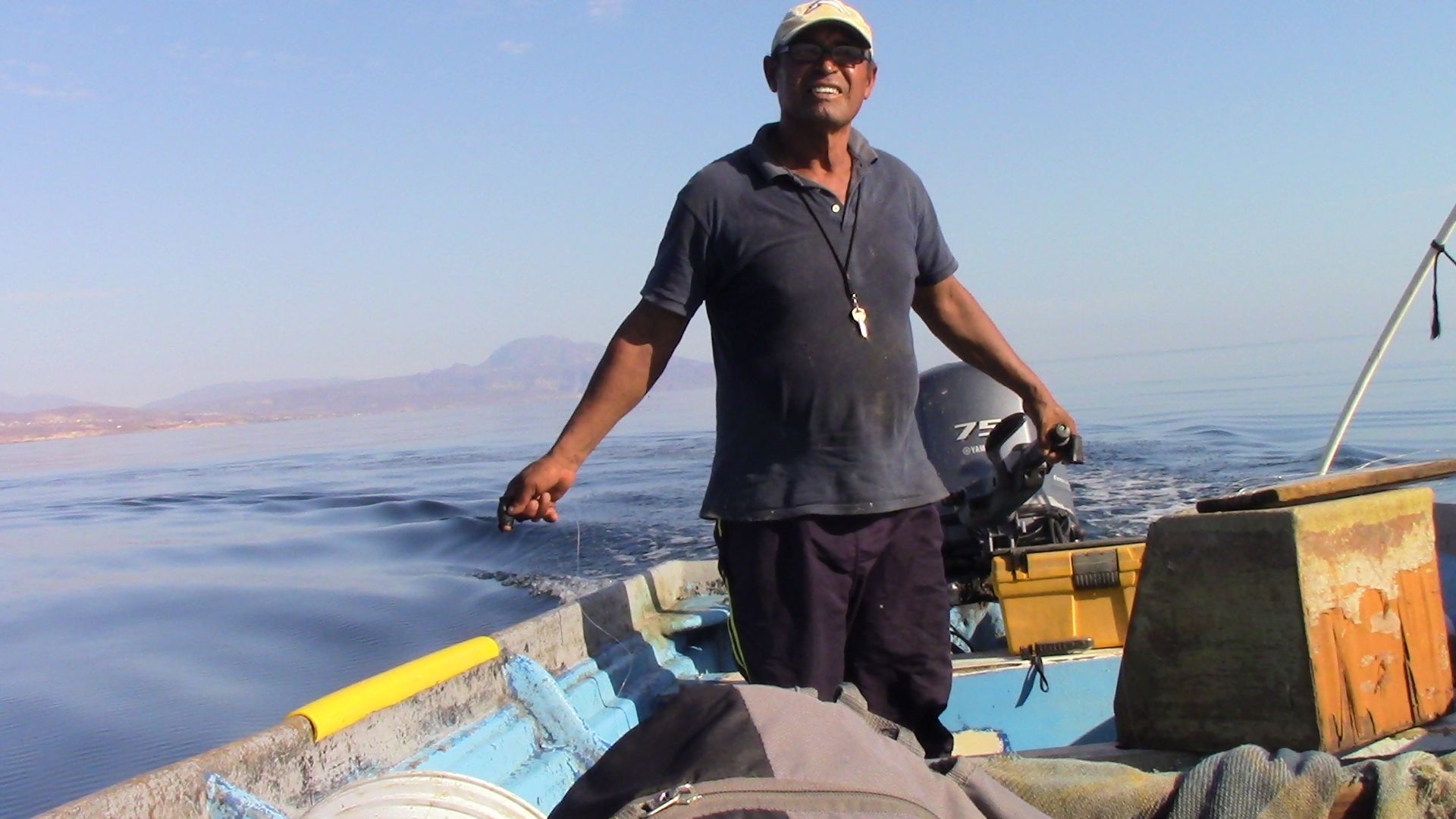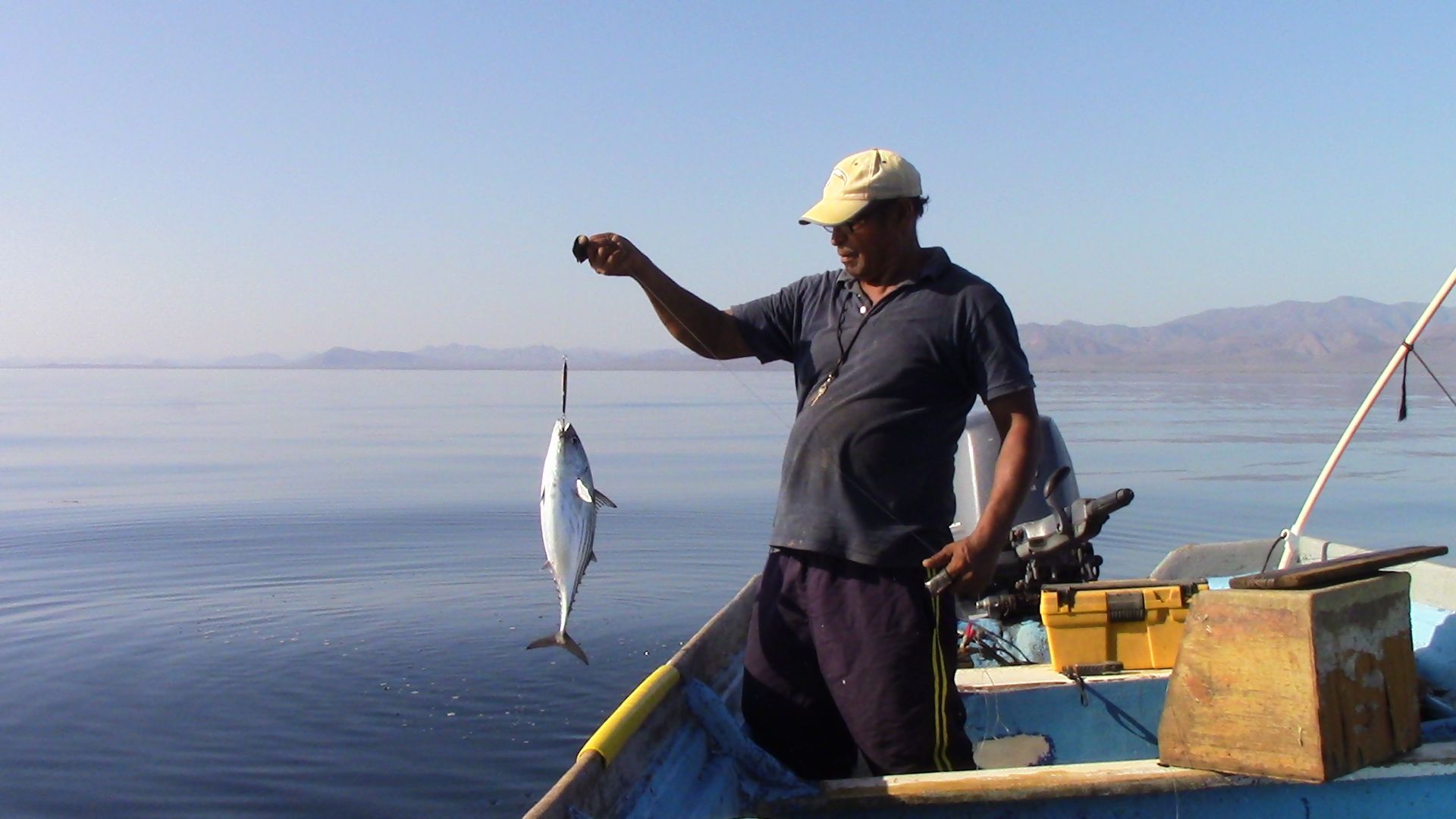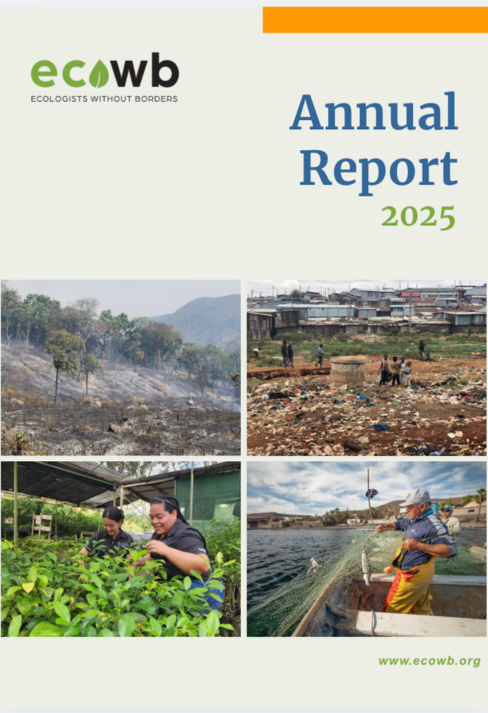
“Canelo” Rogelio Silva is an artisanal fisherman from Santa Rosalia, Mexico – a French-steeped “Pueblo Magico” situated on the Gulf of California halfway down the Baja peninsula. The wiry 59-year-old, nicknamed for his cinnamon-red hair, is easy to converse with but doesn’t hold back when it comes voicing opinions about his work, his colleagues, and the state of the world in general.
During our conversation, Canelo expressed his displeasure about the current status of the artisanal fishery he participates in. “What is wrong”, he tells us, “are the commercial sardine boats that run their nets too close to shore, sweeping up other fish in the process. And the buyers” – his voice filled with disdain – “We fish long days and although we clean and sell our fish to them as soon as we get to the marina, there is no competition, so we have to accept their prices. Where the fish go, we don’t know. Maybe China, maybe the United States. They pay a lot to eat the fish we catch, but we hardly make enough for our families. ¿Qué se puede hacer?”
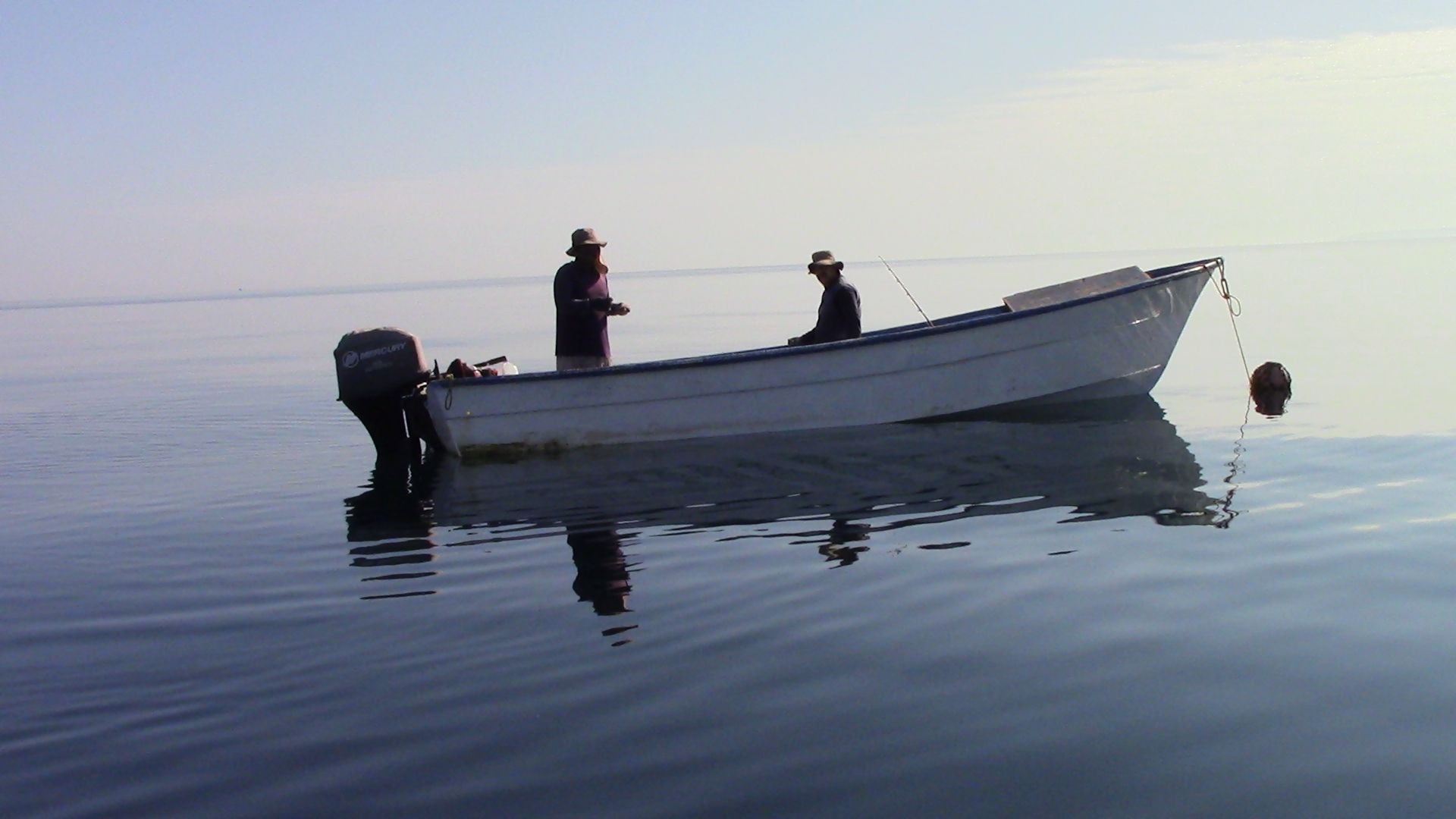
Canelo is typical of the rugged individuals who make a living fishing from pangas, the sturdy fiberglass boats favored by Baja fishermen. Unlike the lobster and abalone fishermen from Punta Abreojos, which juts out into the Pacific Ocean to the west of Santa Rosalia, Gulf fishermen like Canelo must travel long distances to find fish, including the migratory jurel (yellowtail) and dorado (mahi-mahi), the fast-swimming schools of pargo (snapper), and the bottom dwelling cabrilla (grouper). The Gulf is unpredictable and always changing. Fishing is a hard and dangerous profession, but local fishermen much prefer it to working at Mineria y Metalurgica El Boleo (MMB), the copper mine located to the north of town that is the region’s main employer.
Canelo is one of many artisanal fishermen in the Municipality of Mulegé we’ve come to know. We have learned a lot from them. They, in turn, are trusting us to help them find ways to fish more sustainably, to catch enough fish to support themselves and their families, but to do it safely, with less effort, and without causing local stocks to crash. “Always leave enough for the children,” they tell us.
It’s a remarkable partnership. Here’s how it came to be, and where things stand today.
In 2013, Ecologists Without Borders was invited by MMB – yes, the copper mine – to undertake a project that would protect the environment and improve the lives of local fishermen. With a modest grant from MMB, EcoWB teamed up with researchers from CICIMAR-IPN[1] and faculty and students from ITESME[2] to survey local fishermen and compile a record of the number and kinds of fish were being caught by local fishermen over the course of the year. This was important information because the fishery had recently gone through a remarkable change. In the years leading up to 2011, cooler water and nutrient-rich upwelling associated with La Niña atmospheric patterns stimulated the growth of plankton, an abundance of forage fish, and larger species that feed upon them. In the mid-Gulf region, this meant giant squid in particular, which were so plentiful that fishermen targeted them almost exclusively. When surface temperatures eventually decreased due to the warming effects of El Niño, the large-bodied squid disappeared and the once-profitable squid fishery collapsed. Fortunately, populations of finfish rebounded, and fishermen were able to switch to a mix of species available at different times of the year.
Enter EcoWB and the Mulegé Sustainable Fisheries Project (MSFP). The first thing we did was to reach out to local fishermen, who allowed us to record and measure their catch when they returned to shore. We conducted a fisheries pre-assessment that focused on fish populations and their habitat, fishing practices, the fisheries supply chain, and government regulations and compliance, with the goal of improving environmental conditions and the socio-economic well-being of fishermen, their families, and associated communities.
The second thing we did – which in hindsight was a stroke of good luck – was to enlist the help of Fundación Hagamos Mas Por Santa Rosalía (FHMSR), a small, not-for-profit civil association based in Santa Rosalia. Led by Alma Colorado Betanzos, FHMSR has implemented a wide range of programs that have materially contributed to the environmental, social, cultural, and educational well-being of the community.
FHMSR and EcoWB forged a mutually beneficial alliance that continues to this day: we have built solid relationships with local fishermen, fishing cooperatives, businesses, civic leaders, and government entities. Our focus to-date has been primarily on environmental, social, and economic factors that affect local fishermen. We recently conducted in-depth interviews and are currently conducting a social responsibility risk assessment of people in the Mulegé fishery supply chain. The assessment identified several legal, social, and cultural issues that we feel should be addressed within the fishing community.
Many workers in the supply chain are vulnerable to unfair treatment and objectionable working conditions. High rates of poverty and illiteracy within the fishing community combined with lax monitoring and enforcement by government authorities contribute to a high incidence of illegal and unreported fishing. Fishermen that lack permits, fish illegally, and do not report their catches to the government harm law-abiding fishermen by competing for limited resources and undercutting prices. Although illegal fishing occurs, there is no indication of particularly egregious practices, such as human trafficking, slavery, or extortion.
Mexico has made tremendous progress in educating its youth in recent years, but in rural areas the impact has not always been positive. Despite improvements in the availability and quality of education, or perhaps because of them, increasing numbers of young people from rural regions are moving to metropolitan areas where they have greater access to basic services, well-paying jobs, and additional education opportunities, resulting in a better quality of life. We have observed this trend within the Mulegé fishing community. Over the past decade the number of people who have taken up fishing, including the children of fishermen, is less than the number of fishermen who retire or leave the profession. Fishing is an arduous, dangerous, and not particularly well-paying profession, so why stay?
EcoWB and FHMSR are working with local stakeholders to eliminate social inequities and enable artisanal fishermen to fish more sustainably, safely, and profitably.
Now in its 11th year, the Mulegé Sustainable Fisheries Project is at an important crossroads. Our efforts over the next few years will help determine whether people like Canelo and the storied small-scale fisheries they are part of are either overwhelmed by the environmental, economic, and social impacts caused by climate change, disease outbreaks, population contraction, emigration, etc., or are able to adapt to changing conditions and flourish as they have in the past. As an organization comprised of technically proficient and socially engaged scientists, EcoWB’s goal in Baja is to promote environmental sustainability and improve societal welfare through collaboration and the transfer and application of ecological knowledge and technology.
We encourage you to join us in this effort.